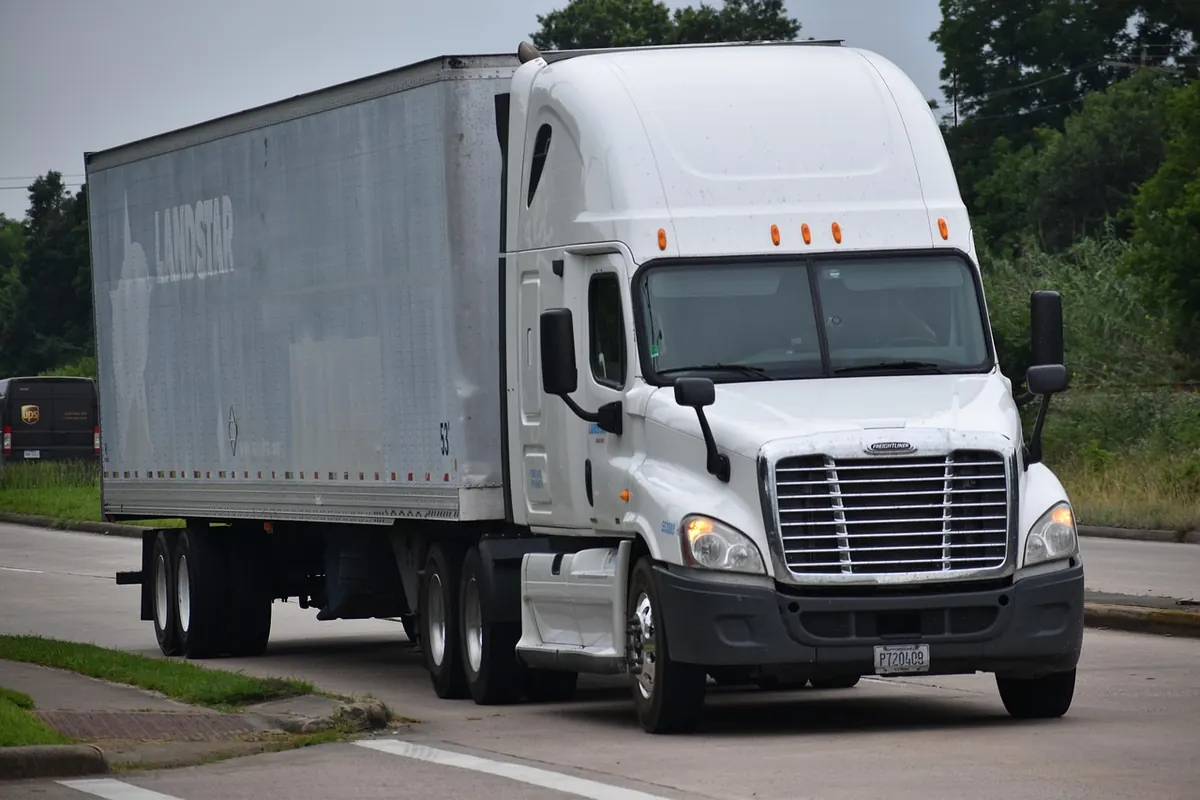
Your kid has been asking since they were six. Now they're ten, school's out, and you've got a run that keeps you close to home. It's tempting to say yes and sort out the details at the fuel island. Don't. A ride-along can be one of the best weeks of a child's year, or three days of boredom, bathroom emergencies and a dispatcher who has no idea there's an extra person in your cab. Most of the difference comes down to what you settle before you leave the yard.
Start With Permission, Not With the Suitcase
Every carrier has its own passenger policy, and it usually lives in the driver handbook rather than on a poster in the break room. Some companies allow riders freely. Some want a written request days ahead, an approved form and a signed waiver. Some say no, full stop, and a few make exceptions only on certain lanes or for certain ages.
Get the answer in writing. An email from your safety department is worth far more than a dispatcher's cheerful "should be fine" at 5 a.m. If you're an owner-operator, your next call is your insurance agent. Many commercial auto policies exclude unauthorized passengers, which means a claim could land on you personally. Ask what's covered and whether your rider needs to be listed.
Rules differ by country, and in the U.S. they vary by state. Federal rules generally permit a passenger in a commercial vehicle when the motor carrier authorizes it — but that authorization is the whole ballgame. If any part of your situation is unclear, get an answer from your carrier, and on anything involving liability or money, from a qualified professional.
The Age Question, Answered Honestly
There's no universal magic number. What actually decides the trip is physical readiness and attention span.
Too young to be safe
A child who still needs a booster or a harnessed car seat is usually too small for a truck's passenger seat. Modern cabs have lap-and-shoulder belts, but the seating position isn't designed around child restraints, and getting a good, tight fit is genuinely hard. If the seat doesn't fit the child, the trip doesn't happen. Wait.
Old enough to enjoy it
Somewhere around six or seven, most kids can buckle themselves properly, climb in and out without help, use a restroom on command and stay occupied for a couple of hours at a stretch. That's when short runs — a day, maybe an overnight — start to work. By nine or ten, a child can be genuinely good company and handle a longer loop if you plan the days in blocks.
Teens are the easiest logistically and the hardest to impress. If your teenager is coming along, give them a job: navigating, logging miles, keeping the cooler stocked. Purpose beats scenery.
Gear That Actually Matters
The cab is a workplace, and it has hazards a kid won't recognize. Before you roll:
- A proper restraint. Seat belt every time, no exceptions, no laps, no exceptions for "just across the lot."
- No sleeping in the bunk while the truck is moving. Bunks aren't crash-tested restraints. Kids ride in the passenger seat, belted.
- Secure loose cargo. A thermos or a tablet becomes a projectile in a hard stop. Tuck bags under the bunk or in a closed cabinet.
- High-vis vest and closed-toe shoes. Fuel islands and truck stop lots are busy, badly lit and full of equipment.
- An ID card. Name, your name, your phone number, any allergies or medical conditions. In their pocket, not yours.
- First aid kit and any medications your child might need, plus motion sickness remedies if they're prone to it.
- Hearing protection for long stretches of idling, loud brakes or open-window highway noise.
Boredom Is a Safety Problem
A bored kid becomes a distracting kid. Whining, fighting for the radio, asking how much longer every nine minutes — that's attention you need for traffic, mirrors and the four-wheeler drifting into your lane.
Plan the day in two-hour blocks and rotate what's available. A stack of paperbacks, a deck of cards, an audiobook you both like, a podcast, a license-plate game, a running tally of weird bumper stickers. Download everything before you leave, because signal dies in exactly the places you need it. Bring a power bank and headphones; headphones matter more than the tablet.
If your child has schoolwork, treat quiet highway stretches as classroom time and let them see the trip as a privilege tied to it. And build in real breaks — twenty minutes walking around a rest area beats an hour of screens.
Bathrooms, Food, Sleep and Truck Stop Safety
Adults can hold it. Kids can't, and the schedule doesn't care. Plan stops around their body rather than your clock, keep a spare set of clothes within reach, and don't count on every stop having clean facilities.
Food is the other routine to protect. Truck stop food three meals a day for a week will wreck a small stomach and your patience. Pack a small cooler: fruit, sandwiches, water, something that doesn't come in a foil bag.
In the lot, hold hands with younger kids and keep older ones in sight. Never leave a child alone in an unlocked cab, and don't let them wander while you're inside a shipper's office. Teach them to stand where you can see them, to never walk behind a trailer, and to stay clear of any truck that's backing — the driver can't see you, and the noise isn't a warning.
Do a Dry Run First
Before you commit to a long haul, take one short local day. Same seat, same belt, same cooler. You'll learn quickly whether your child can handle four hours in a moving cab, whether the seat fits, and whether the two of you still like each other at hour three.
Have a bail-out plan. Someone at home who can meet you, a route that passes near a relative's town, enough cash for a bus ticket if it goes sideways. Knowing there's an exit makes everyone calmer.
Before You Turn the Key: A Pre-Trip Checklist
- Written passenger approval from your carrier, and a clear answer from your insurer.
- Seat belt fit checked, with the right restraint if needed.
- Cab cleaned, floor clear, loose items stowed.
- Medical info, medications and an emergency contact on the child.
- Cooler packed, water bottles filled, snacks portioned.
- Offline entertainment downloaded, headphones and charger packed.
- Stop plan sketched, including realistic bathroom breaks.
- Ground rules agreed before the engine starts: seat belt, stay in sight, headphones at a reasonable volume, no talking through tight merges.
Set expectations low and honest. A ride-along isn't a vacation, and most of it is highway. But a kid who's been included in the real work — who knows how a delivery window works and why you check the fifth wheel — remembers it for years. Sort the rules first, and you've got room to enjoy the miles together.
Photo: Kanenori / Pixabay